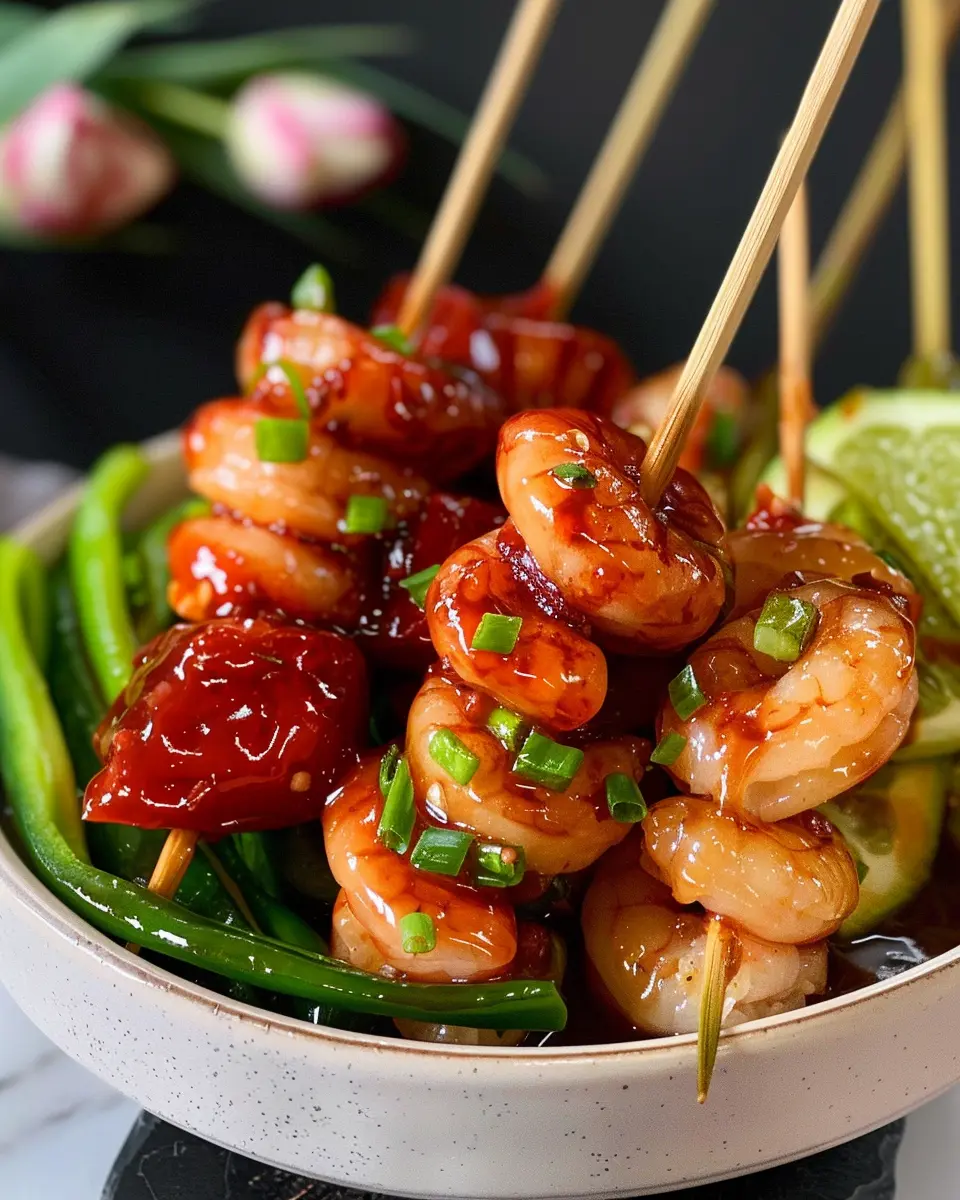
Introduction to Tanghulu Recipe
The magic of tanghulu: a sweet moment
Welcome to the delightful world of tanghulu, a traditional Chinese snack that brings an element of sweetness and nostalgia into modern life. Imagine this: vibrant, fresh fruit skewered and coated in a hard candy shell, glistening under the sun. Each bite bursts with flavor and a satisfying crunch that transports you straight to a bustling street food market in Beijing. What’s not to love? This charming treat combines simplicity and creativity, making it a perfect addition to any gathering or a fun evening activity, especially if you’re looking to impress your friends with a unique culinary experience.
You might be wondering how tanghulu has maintained its allure over the years. Well, according to experts, the blend of fresh ingredients and the artful presentation sparks joy, creating memories that stick around long after the last bite. If you’re looking for an engaging way to share your passion for cooking, this tanghulu recipe offers a sweet moment both in preparation and indulgence. Plus, with the colorful fruits as your canvas, every creation feels like a work of art!
Why making tanghulu at home is worth it
Making tanghulu at home is not just about satisfying your sweet tooth; it’s also about experiencing the joy of hands-on crafting. Here’s why you should give it a try:
- Customization: Choose your favorite fruits—strawberries, grapes, or even kiwi—each offering a different flavor profile. This recipe allows for endless variations, so you can explore and experiment.
- Quality control: When you create your own tanghulu, you can select fresh, organic produce, ensuring peak flavor and health benefits. Unlike store-bought versions, this allows you to savor the genuine taste of each fruit.
- It’s a conversation starter: Homemade snacks are always a hit at gatherings. Your friends will marvel at your crafting skills, sparking conversations centered around flavors and techniques.
By bringing tanghulu into your home, you’re not just making a dessert; you’re fostering moments—making it an experience worthy of both time and effort. Check out more about the tradition of tanghulu here to deepen your appreciation!
In the next sections, we’ll dive deeper into the tanghulu recipe, ensuring you’re ready to create this delightful treat.
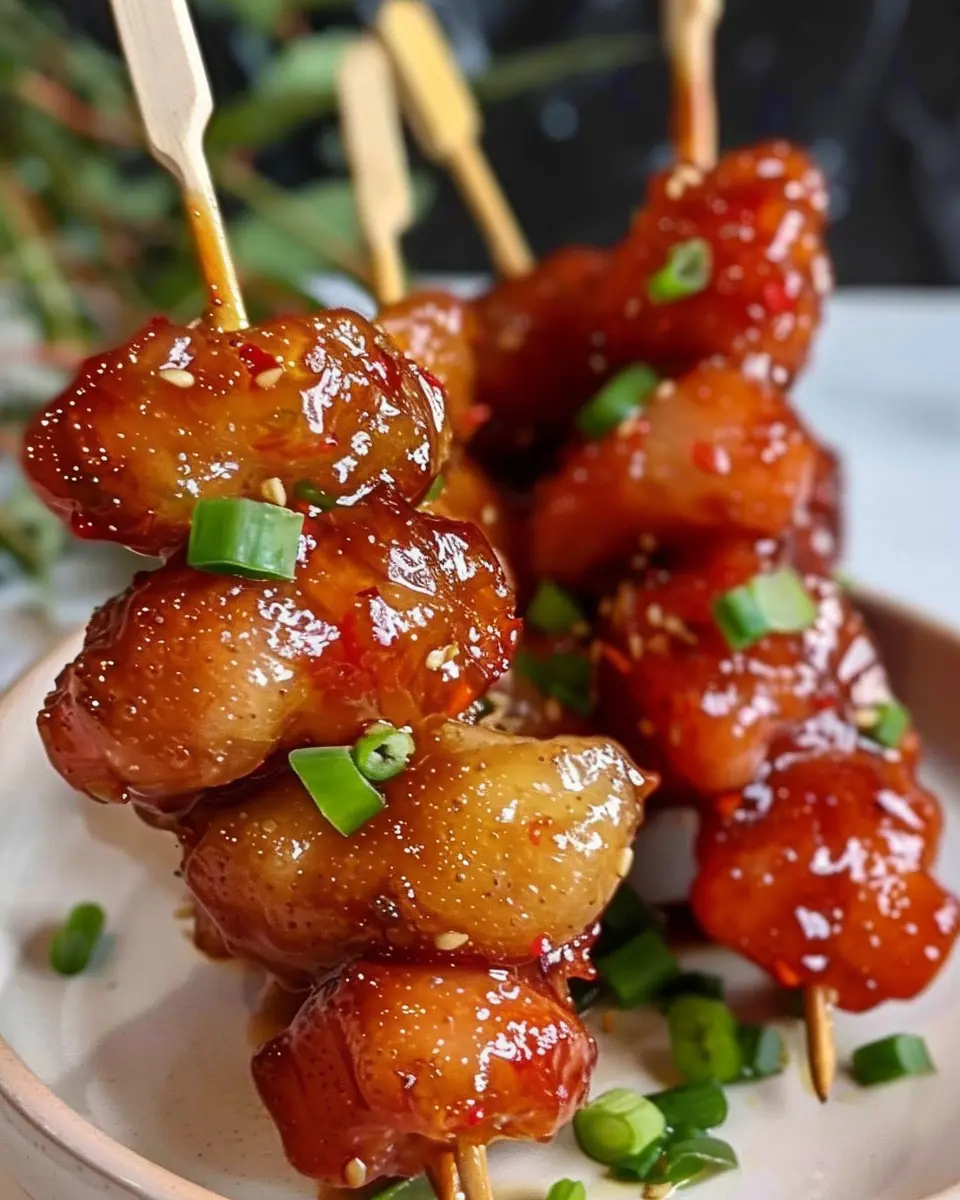
Ingredients for Tanghulu
Essential ingredients for a perfect tanghulu
Creating the perfect tanghulu is all about selecting the right ingredients. You’ll need a few basic yet crucial items to get started:
- Fresh fruits: Strawberries, grapes, and mandarins are popular choices.
- Granulated sugar: This is essential for that sweet, crunchy caramel coating.
- Water: To melt the sugar and create your syrup.
- Lollipop sticks: To hold your fruit while it transforms into a delightful treat.
Using high-quality ingredients can truly elevate your tanghulu recipe. For a deeper dive into sugar types and their effects on candy-making, check out this guide on candy-making techniques.
Choosing the best fruits for your tanghulu
When selecting your fruits, look for those that are firm and not overly ripe. Here are some tips:
- Strawberries: Go for medium-sized, bright red berries for the best taste.
- Grapes: Choose seedless grapes; they’re easy to dip and eat.
- Mandarins: Small and sweet, they add a vibrant touch.
Remember, the fruit’s freshness affects both the taste and the appearance of your tanghulu. The crunchiness of the sugar coating complements the juiciness of the fruit beautifully, creating a harmonious balance that’s hard to resist!
Step-by-step preparation of Tanghulu
Tanghulu, the delightful Chinese candied fruit on a stick, has carved out a special place in the hearts (and appetites) of many. The combination of sweet and tart encapsulates a classic street food experience that is irresistible! So, if you’re ready to wow your friends and family with your kitchen skills, here’s a step-by-step guide on how to prepare Tanghulu that will have everyone craving more.
Prepare the fruit
The star of the Tanghulu recipe is undoubtedly the fruit. You can use a variety of fresh fruits, but here are some popular choices:
- Strawberries: Sweet and juicy, perfect for candied goodness.
- Orange slices: Their citrusy flavor adds a refreshing twist.
- Grapes: Easy-to-handle and bursting with flavor.
- Cherry tomatoes: The perfect balance of sweetness and acidity.
Start by washing the fruits thoroughly to remove any unwanted residues. Once cleaned, ensure that they are completely dry. Excess moisture can affect the coating later on. Next, insert wooden or bamboo skewers into the fruits—this makes it easier to dip and pop into your mouth later!
Make the sugar syrup
Now, let’s talk about the syrup, which is the heart of the Tanghulu recipe. For this, you’ll need:
- 1 cup of granulated sugar
- 1/2 cup of water
- A pinch of lemon juice (helps prevent crystallization)
In a medium saucepan, combine the sugar, water, and lemon juice. Heat the mixture over medium-high heat, stirring occasionally until the sugar dissolves. Once it comes to a boil, stop stirring and let it simmer. You want to reach the “hard crack” stage, about 300°F (149°C) on a candy thermometer. If you don’t have one, simply drop a small amount into cold water; when it hardens and snaps, you’re good to go!
Properly coat the fruit with syrup
After reaching the desired syrup consistency, it’s time to dip the fruit in. Here’s how to do it:
- Remove the saucepan from heat and let the bubbles settle for a moment.
- Hold the skewer with the fruit by the stick, and carefully dip it into the hot syrup, ensuring the fruit is fully coated.
- Allow any excess syrup to drip off, and place it on a parchment paper-lined baking sheet.
This step is crucial; if you dip too quickly, you’ll end up with a clump of syrup instead of a smooth coat. A steady hand works wonders at this stage!
Cooling and hardening process
Patience is key during the cooling phase. After coating, let the Tanghulu sit at room temperature for about 20-30 minutes. This is when the syrup will harden to that delightful crunch we all love.
If you’re eager to speed up the cooling process, you can place the baking sheet in the fridge for a few minutes, but don’t leave them too long, or you might end up with a sticky mess.
Presentation and enjoyment
Once your Tanghulu is beautifully hardened, it’s time to showcase them! Arrange the skewers on a platter or vase for a charming display. The vibrant colors of the fruit against the shiny, hard candy coating make for a striking centerpiece.
Before serving, make sure everyone knows these aren’t just regular snacks—these are Tanghulu! They’re not just delicious; they’re a celebration of flavor and might just transport your guests back to the lively streets of Beijing.
So, gather your friends, and dig in! Don’t forget to share your Tanghulu-making adventure on social media. Chances are, they’ll want to join in on your next cooking spree. Enjoy every crunchy, sweet bite!
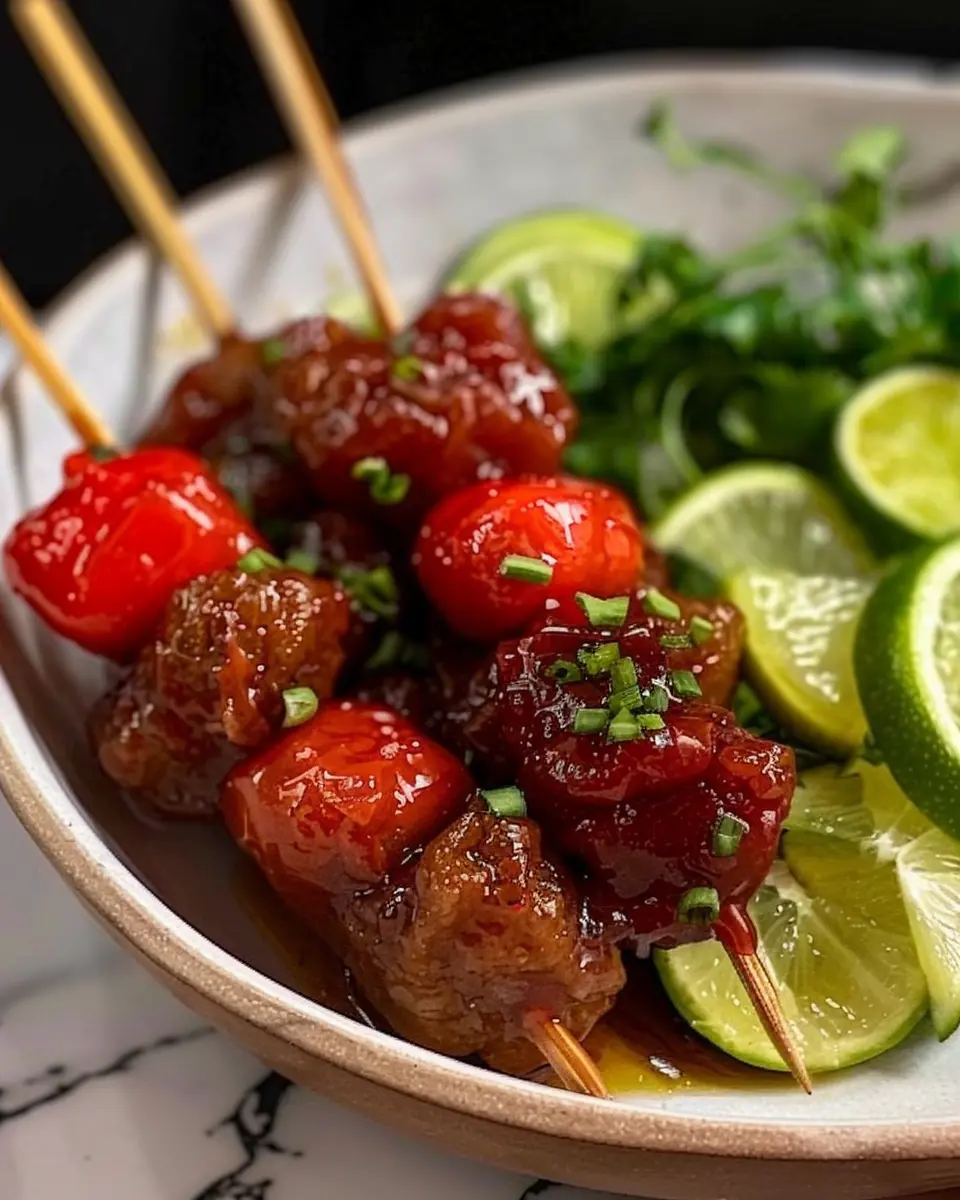
Variations on Tanghulu
Fruity delights: different fruits for tanghulu
While the classic tanghulu is often made with strawberries or hawthorn berries, the beauty lies in its versatility! You can explore a variety of fruits to create unique flavor combinations. Here are some of our favorites:
- Grapes: Choose firm, seedless grapes for a crunchy texture.
- Kiwi slices: Their green hue adds a pop of color that’s irresistible.
- Apples: Slices or wedges dipped in the sugary glaze offer a sweet and tart experience.
- Mandarins: Their juicy segments are an easy, bite-sized option.
Experimenting with fruits not only changes the taste but also makes the presentation eye-catching. Add a touch of whimsy by arranging the fruits on a skewer in an appealing pattern!
Seasonal flavors: adapting tanghulu for the holiday
There’s something special about enjoying tanghulu during the holidays. You can infuse seasonal flavors or themes into this delightful treat. For instance:
- Fall flavors: Try apples coated with cinnamon sugar or even cranberries for a tart twist.
- Winter celebrations: Mix colors by combining red berries with white chocolate drizzle for a festive look.
- Springtime fun: Lighten things up with fruits like strawberries and peaches, bringing a fresh taste to your gatherings.
What about pairing a tanghulu recipe with homemade dips or complementary snacks? Consider a yogurt-based dip or a sprinkle of crushed nuts for added texture.
Feel free to share your variations or favorite combinations! The creativity in making tanghulu is what truly makes it a treat to remember. For more inspiration, check out resources like The Kitchn or Food Network for innovative ideas!
Cooking Tips and Notes for Tanghulu
Common pitfalls and how to avoid them
Making a tanghulu recipe can be deceptively simple, but there are a few common pitfalls. One of the biggest mistakes is not achieving the right sugar consistency. If your syrup isn’t bubbling and turning amber before dipping your fruit, it won’t harden properly. Use a candy thermometer to reach the ideal temperature of 300°F (150°C).
Another issue is the cooling process. Once your fruit is dipped, place it on parchment paper instead of directly on a plate to avoid sticking.
Ingredient substitutions for tanghulu
If you’re missing some classic ingredients for tanghulu, don’t stress! Here are some viable substitutes:
- Fruits: While strawberries and grapes are popular, you can also use kiwi, pineapple, or even mandarins for a tropical twist.
- Sugar: If you’re out of granulated sugar, consider coconut sugar for a more caramelized flavor.
- Bamboo skewers: If you don’t have these, toothpicks work just as well for smaller fruit pieces.
For more tips and ideas, check out Serious Eats. Happy cooking!
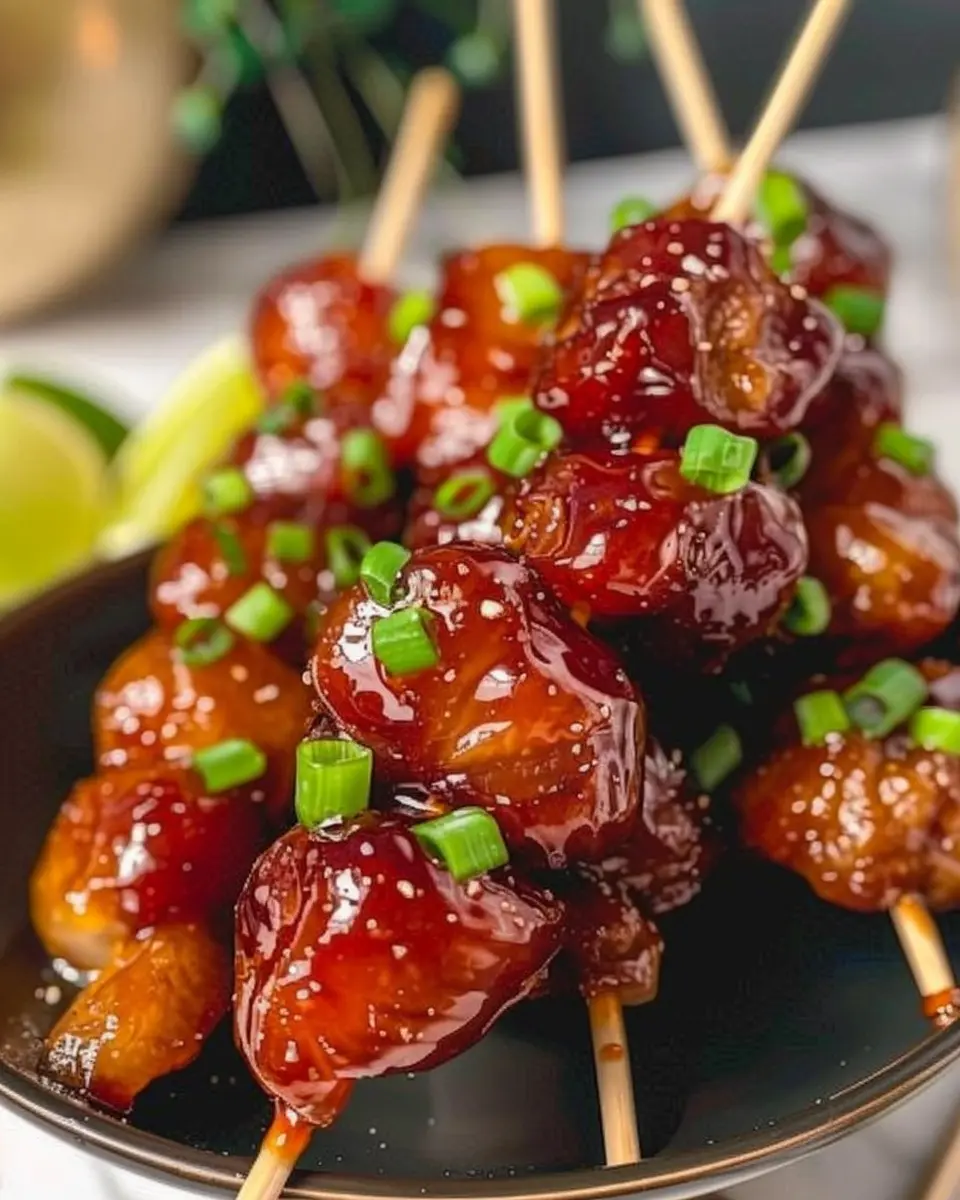
Serving suggestions for Tanghulu
Creative ways to present tanghulu
When it comes to serving your tanghulu recipe, presentation is everything! Start by skewering your candied fruits on decorative sticks—think bamboo or vibrant paper straws. For an extra touch, arrange them on colorful platters that match your event’s theme. If you’re hosting a party, consider placing small labels next to each fruit to highlight flavors like strawberry, cherry, or kiwi. Take it up a notch by creating a tanghulu charcuterie board—pair the sweets with cheese, nuts, and dried fruits for a visually stunning spread.
Pairing suggestions for a complete snack experience
To elevate your tanghulu enjoyment, think about pairing it with complementary snacks. Try serving your tanghulu alongside:
- Cheese: Creamy brie or sharp cheddar balances the sweet crunch.
- Nuts: Roasted almonds or salted cashews add a savory contrast.
- Refreshing beverages: Herbal iced teas or sparkling water infused with mint or citrus can cleanse the palate beautifully.
Whether you’re enjoying a snack alone or sharing with friends, these ideas will make your tanghulu experience memorable. For more inspiration, explore Culinary Times for unique snack pairings that can kick your gatherings up a notch!
Time breakdown for Tanghulu
Preparation time
Making tanghulu is a fun and rewarding process! You’ll need about 20 minutes to prepare your ingredients. This includes washing and drying the fruits and prepping your skewers. Don’t forget to choose your favorite fruits, like strawberries or grapes!
Cooking time
The cooking part is surprisingly quick, taking just 10 minutes. You’ll heat the sugar and water mixture until it reaches a perfect caramel consistency. Keep an eye on it to prevent burning!
Total time
In total, this tanghulu recipe will take around 30 minutes from start to finish. In no time, you’ll have a delightful treat that’s not only a burst of flavor but also visually striking. Check out more tips on caramel techniques here for a smoother experience. Happy cooking!
Nutritional Facts for Tanghulu
Calories per skewer
When indulging in a delightful tanghulu recipe, it’s good to keep those calorie counts in mind. Each skewer typically contains around 80-100 calories, depending on the specific fruits used and the sugar coating. Given the sweetness of tanghulu, it’s a fun treat but best enjoyed in moderation.
Sugars and carbohydrates
The sugary glaze on tanghulu, which gives it that signature shiny finish, means that each skewer can pack a punch with sugars and carbohydrates. You can expect approximately 20-25 grams of sugar and about 25-30 grams of carbohydrates per serving. While it’s certainly a sweet treat, pairing it with fresh fruits helps balance out the sweetness and infuses some nutritional benefits, like vitamins and fiber. Want to explore more about sugar content? Check out resources like the USDA Nutrient Database for deeper insights.
As you enjoy this delicious snack, remember that moderation is key! Whether at a lively gathering or a cozy night in, tanghulu brings a touch of fun to your table.
FAQ about Tanghulu
Can I make tanghulu with frozen fruit?
Absolutely! While traditional tanghulu features fresh fruits like strawberries or hawthorn berries, using frozen fruit can still yield delightful results. Just be sure to thaw and pat them dry before dipping. This prevents excess moisture, allowing the sugar coating to stick better. If you’re curious about the best frozen fruits to use, consider options like frozen grapes or blueberries. They bring a unique twist to your tanghulu recipe, and the results can be surprisingly satisfying!
How should I store leftover tanghulu?
Storing tanghulu can be a bit tricky due to the sugar coating. Ideally, you should enjoy it fresh for that satisfying crunch. However, if you have leftovers, store them in an airtight container at room temperature, away from direct sunlight. Keep in mind that the sugar coating might lose its crispness over time, but the flavors will still be enjoyable. For more tips on proper storage, check out this helpful guide on food preservation.
Is tanghulu vegan-friendly?
Yes, tanghulu is a fantastic vegan treat! The basic recipe involves just fruit and a sugar syrup, so it aligns perfectly with a plant-based diet. If you’re experimenting with your tanghulu recipe, you can even try using natural sweeteners like agave or coconut sugar to enhance the flavors without straying from vegan principles. Plus, experimenting with different fruits can be an exciting way to tailor your tanghulu to fit your tastes while remaining plant-friendly!
Hopefully, this clears up some common questions. Happy tanghulu making!
Conclusion on Tanghulu Recipe
The joy of homemade tanghulu
Creating your own tanghulu at home isn’t just about enjoying a delicious treat; it’s about the joy of crafting something uniquely yours. The delightful crack of the hardened sugar and the sweet burst of berries create a sensory experience that’s hard to beat. Plus, there’s something special about sharing your homemade creations with friends or loved ones—much more personal than store-bought versions!
Encouragement to try making it at home
So, why not give this tanghulu recipe a try? It’s fun, straightforward, and a fantastic way to impress your friends at your next gathering. Experiment with different fruits and flavors—maybe even invite friends over for a fun cooking session. With just a bit of practice, you’ll be a tanghulu pro in no time! For more inspiration, check out this guide on creative dessert recipes that pair beautifully with tanghulu. Enjoy the sweetness of making memories as much as the flavors!
PrintTanghulu Recipe: The Best Homemade Treat You’ll Love

This is a delightful Tanghulu recipe that’s perfect for satisfying your sweet tooth!
- Prep Time: 15 minutes
- Cook Time: 10 minutes
- Total Time: 25 minutes
- Yield: 10 servings 1x
- Category: Dessert
- Method: Candy
- Cuisine: Chinese
- Diet: Vegetarian
Ingredients
- 2 cups fresh strawberries
- 1 cup granulated sugar
- 1/2 cup water
- 1 teaspoon corn syrup
Instructions
- Wash and dry the strawberries thoroughly.
- In a pot, combine sugar, water, and corn syrup. Bring to a boil until it reaches 300°F (hard crack stage).
- Dip strawberries into the sugar mixture, then place them on a parchment-lined tray to cool.
Notes
- For best results, use fresh fruits that are dry.
- Be careful when handling hot sugar syrup.
Nutrition
- Serving Size: 1 skewer
- Calories: 90
- Sugar: 20g
- Sodium: 5mg
- Fat: 0g
- Saturated Fat: 0g
- Unsaturated Fat: 0g
- Trans Fat: 0g
- Carbohydrates: 22g
- Fiber: 1g
- Protein: 1g
- Cholesterol: 0mg
Keywords: Tanghulu, homemade treats, dessert