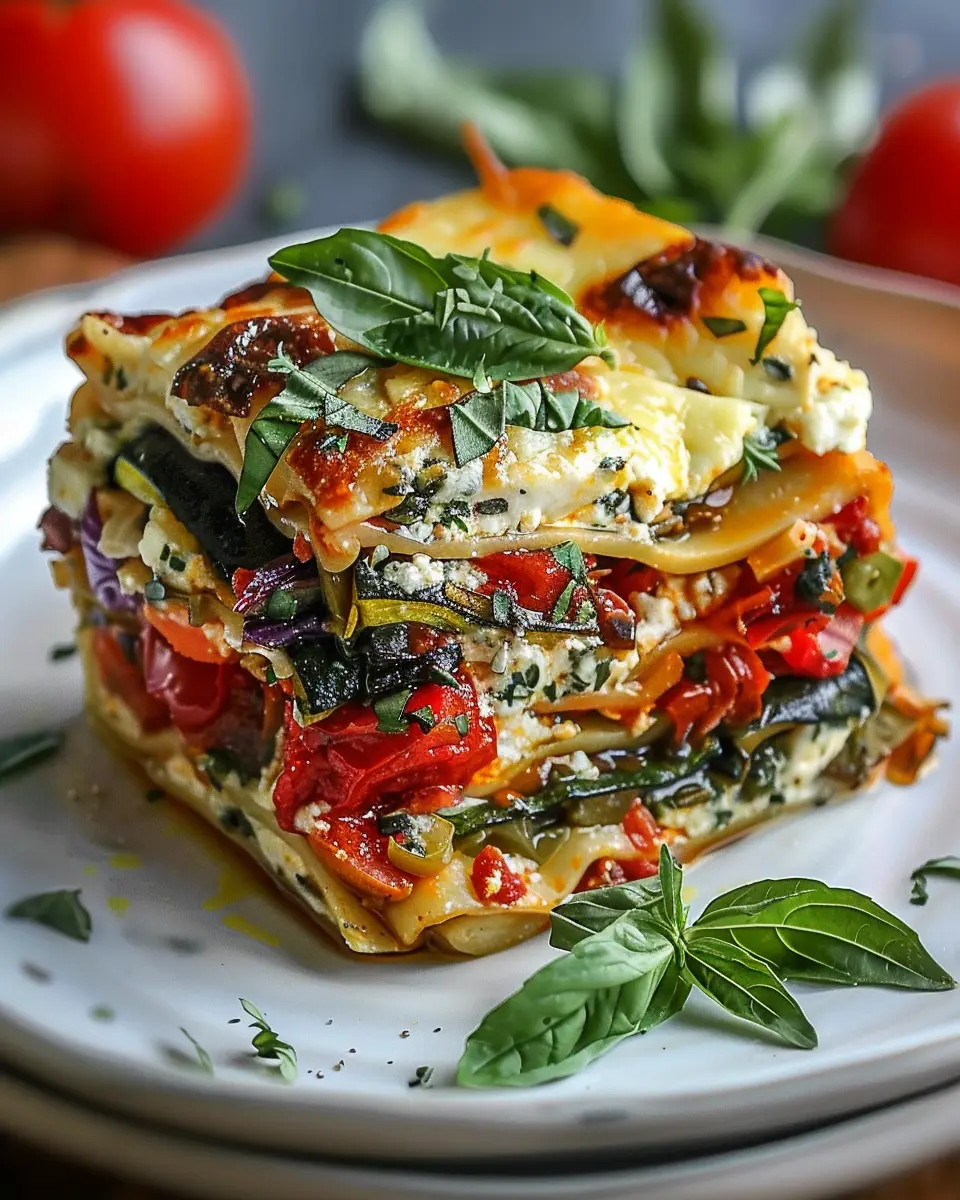
Introduction to Layered Mediterranean Vegetable Lasagna
Why homemade lasagna beats fast food
When life gets busy, it’s tempting to grab takeout for dinner. However, there’s something special about homemade lasagna that fast food simply can’t replicate. Not only do you get to control the ingredients—choosing fresh, vibrant vegetables and high-quality cheese—you also have the chance to create a dish that truly reflects your taste. Studies show that cooking at home increases satisfaction with meals and fosters a deeper connection to the food you eat. Plus, there’s nothing like the aroma of fresh herbs wafting through your kitchen to bring a sense of comfort.
A personal love story with Mediterranean flavors
From the first bite of coastal Mediterranean cuisine during a summer trip, my affinity for these flavors blossomed. The blend of fresh basil, sun-dried tomatoes, and rich olive oil awakened my senses like never before. When I returned home, I found myself experimenting with these ingredients, leading to the creation of my beloved layered Mediterranean vegetable lasagna. It’s as if every layer tells a story—a memory of sunlit afternoons spent savoring the beauty of Mediterranean food. Whether it’s a gathering of friends or a cozy night in, this lasagna brings everyone together and sparks joy around the dinner table.
The benefits of cooking at home for young professionals
For busy young professionals, cooking may seem like an impractical commitment. Yet, making simple dishes like layered Mediterranean vegetable lasagna offers numerous benefits. Research from the CDC points to healthier eating habits among those who cook at home. Here are a few reasons why you should consider spending some time in the kitchen:
- Cost-effective: Preparing your own meals is often less expensive than frequent dining out.
- Healthier options: You can tailor the ingredients to your diet—whether it’s plant-based, low-carb, or gluten-free.
- Skill development: Cooking more often helps enhance culinary skills, making you more confident in the kitchen.
Making a layered Mediterranean vegetable lasagna not only satisfies those cravings but also enriches your culinary repertoire. Whether you’re hosting a dinner party or enjoying a quiet evening, this lasagna is a versatile arrangement that promises deliciousness in every bite. Ready to bring a Mediterranean touch to your dinner table? Let’s dive into the recipe!
For more kitchen tips and delicious recipes, check out America’s Test Kitchen or Serious Eats.
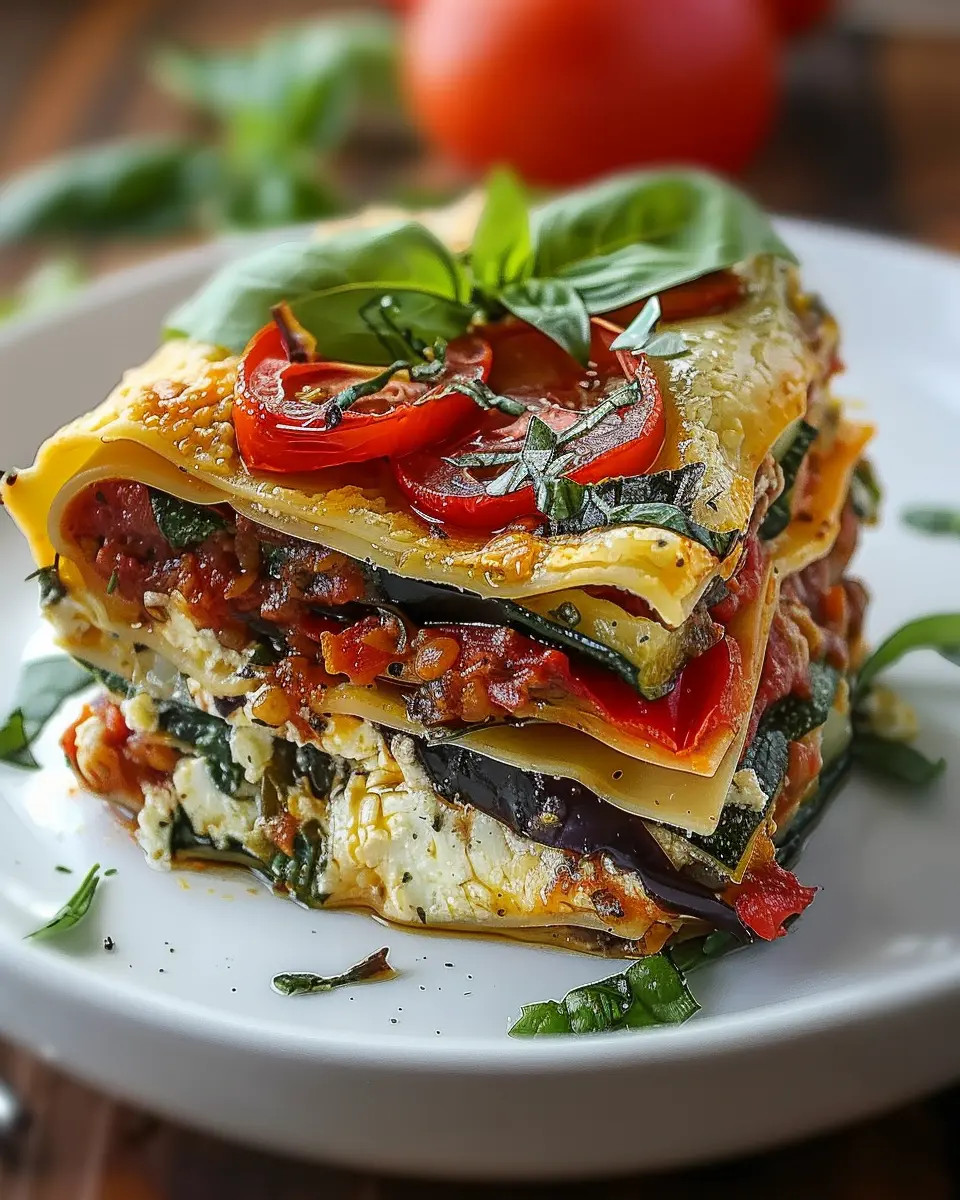
Ingredients for Layered Mediterranean Vegetable Lasagna
Essential ingredients for a rich, flavorful lasagna
Creating a layered Mediterranean vegetable lasagna starts with the right ingredients. Here’s what you need:
- Lasagna noodles: Opt for whole wheat or gluten-free varieties if preferred.
- Cheese: A mix of ricotta, mozzarella, and parmesan provides richness.
- Fresh vegetables: Look for zucchini, bell peppers, spinach, and eggplant to pack in the flavors.
- Turkey bacon and Chicken ham: For a savory punch, these offer a nice twist while keeping it lighter.
- Tomato sauce: Choose a high-quality marinara or fire-roasted varieties for depth.
Options for healthier substitutions
You can easily make your lasagna a bit lighter without compromising flavor. Consider:
- Zucchini noodles instead of traditional lasagna sheets to boost veggies.
- Low-fat cheese to reduce calories while still enjoying that cheesy texture.
- Greek yogurt in place of ricotta adds creaminess with extra protein.
Special notes on sourcing fresh vegetables
When it comes to vegetables, freshness is key! Visit your local farmers’ market for the best seasonal produce. Not only will you find superior flavors, but you’re also supporting local farming. According to studies, fresh vegetables can contain up to 50% more essential nutrients. Don’t hesitate to ask vendors for their recommendations—many are happy to share their favorites for an unforgettable layered Mediterranean vegetable lasagna.
For tips on choosing seasonal produce, you might check out resources like Eat Seasonally. Happy cooking!
Preparing Layered Mediterranean Vegetable Lasagna
When you think of a delightful, hearty meal that sings with flavor, the image of a layered Mediterranean vegetable lasagna often comes to mind. Not only is this dish brimming with fresh vegetables, but it also brings a comforting warmth that’s perfect for any dinner table. It’s time to roll up your sleeves and dive into the cooking adventure! Let’s break it down step by step.
Preheat your oven and prepare the pan
Before you get into the rhythm of chopping and mixing, it’s crucial to set the stage. Preheat your oven to 375°F (190°C). This temperature is perfect for slow-cooking those layers to perfection. While the oven warms up, grab a 9×13-inch baking dish and lightly grease it with olive oil or non-stick spray. This little detail ensures your masterpiece never gets stuck—trust me, you want to keep those layers intact!
Roast the vegetables to perfection
The secret to a truly irresistible layered Mediterranean vegetable lasagna lies in the vegetables. Here’s where you can get creative. Gather a colorful assortment of your favorites—think bell peppers, zucchini, Portobello mushrooms, and spinach. Slice them up and toss them in a bowl with some olive oil, salt, and pepper.
- Tip: For added flavor, consider sprinkling in some Italian herbs like oregano or thyme. They add an extra kick!
Spread the veggies on a baking sheet in one even layer and roast for about 20-25 minutes or until they’re tender and slightly caramelized. Roasting enhances their natural sweetness and creates a depth of flavor that’s simply irresistible.
Cook the lasagna noodles like a pro
While your veggies are roasting, it’s time to tackle the lasagna noodles. Opt for whole wheat or gluten-free noodles if you’re looking for healthier options. Bring a large pot of salted water to a boil, and cook the noodles just until al dente—usually about 8-10 minutes.
- Pro Tip: Drizzle a bit of olive oil in the water. This helps prevent sticking and gives an extra flavor boost!
Once they’re cooked, drain the noodles and lay them out flat on parchment paper. This helps avoid any clumping, ensuring smoother layering later on.
Create the creamy ricotta mixture
Now onto the heart of the lasagna—the creamy filling! In a mixing bowl, combine ricotta cheese with an egg for richness, 1 cup of shredded mozzarella cheese, and a pinch of salt and pepper. Mixing in some freshly chopped basil or parsley can elevate the flavor even further. This creamy layer balances the roasted veggies perfectly!
Layering like an artist—building your lasagna
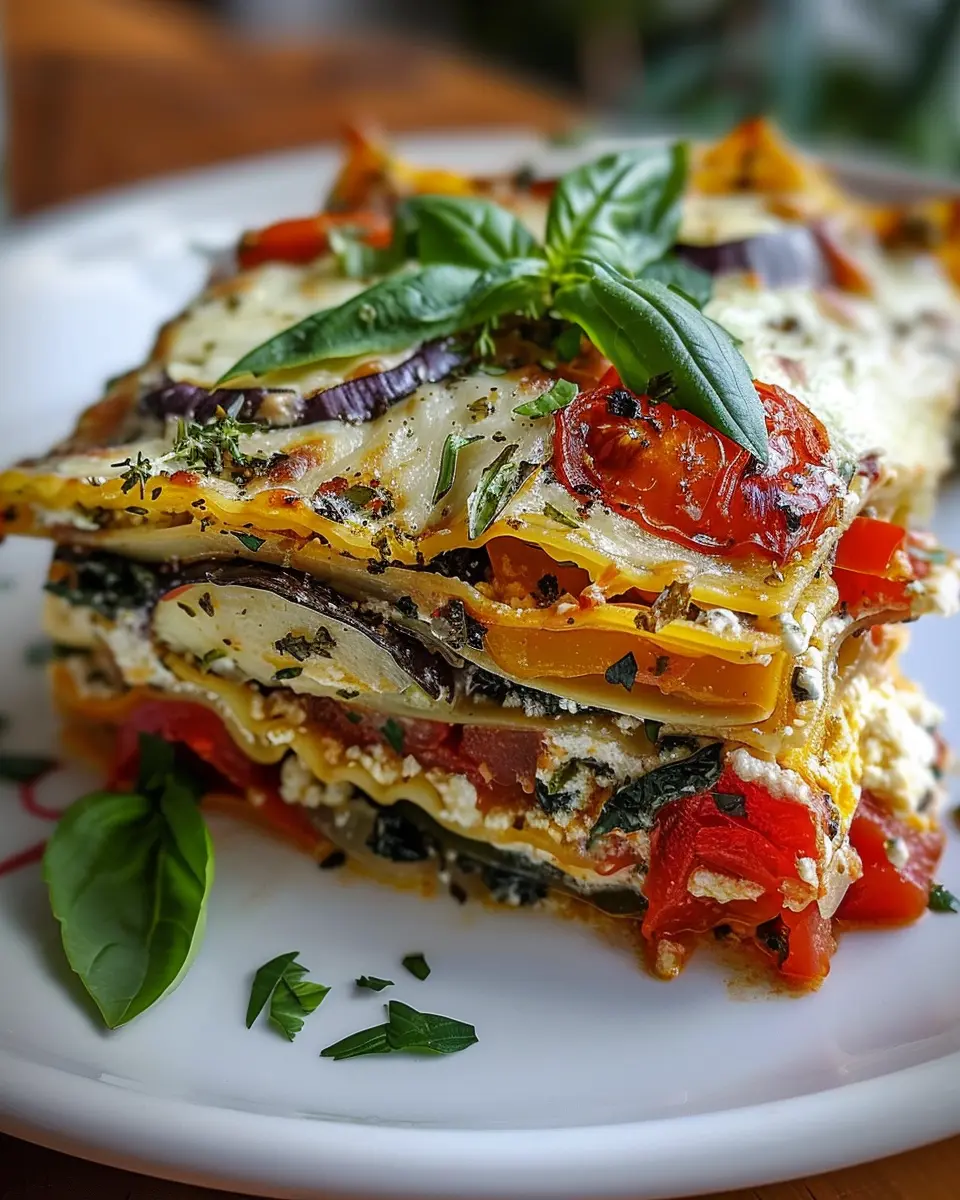
It’s time to assemble! Start with a layer of the ricotta mixture at the bottom of the prepared pan. Follow this with a layer of noodles, then a generous helping of the roasted vegetables, and sprinkle some marinara sauce over the top.
Repeat this layering process, being sure to keep an eye on your proportions. You’ll want at least three layers, finishing with a last layer of noodles topped off with marinara sauce and a generous sprinkle of mozzarella cheese.
Baking and transforming ingredients into magic
Finally, the moment of truth! Cover your layered Mediterranean vegetable lasagna with aluminum foil and pop it in the oven for about 25 minutes. Remove the foil and bake for an additional 15 minutes, allowing that cheesy top to bubble and turn golden brown.
When you pull it out of the oven, let it sit for about 10 minutes before slicing. This resting time is crucial—it helps set the layers so each slice emerges beautifully.
Feeling inspired to whip up this dish? For step-by-step guidance and variations, check out this link.
Jump into this lasagna-making adventure and impress your friends and family with your flavorful creation! You’ll discover that cooking can be as much about the journey as the delicious destination. Happy cooking!
Variations on Layered Mediterranean Vegetable Lasagna
Additions and substitutions for endless flavors
One of the best things about layered Mediterranean vegetable lasagna is how adaptable it is. Don’t hesitate to play with the veggies! Consider adding roasted red peppers, artichoke hearts, or even sweet potatoes for a unique twist. You can also switch out the cheese—ricotta can easily be substituted with cottage cheese or a non-dairy alternative. If you’re looking to boost the protein content, think about incorporating chickpeas or lentils into your layers.
Exploring regional Mediterranean ingredients
Why not take a culinary journey through the Mediterranean with your lasagna? Regional ingredients can inspire exciting variations. For example, if you’re in the mood for a Greek flair, use feta cheese and vibrant spins with zucchini and olives. An Italian-style version can feature a classic marinara sauce, paired with spinach and mushrooms for depth. Fresh herbs like basil, oregano, and thyme can elevate the dish, giving it that authentic Mediterranean feel. Embrace what’s in season locally—check out sources like the Local Harvest to find fresh produce options that work perfectly in your dish.
Vegetarian and vegan variations on this classic
A vegetarian or vegan layered Mediterranean vegetable lasagna can be just as satisfying as any meat version. Swap traditional cheeses for cashew ricotta or tofu mix, and load up with your favorite veggies. Adding nutritional yeast can also provide a cheesy flavor without the dairy. If you’re preparing this dish for a crowd, consider offering a variety of layers—some with cheese and some without—so everyone can enjoy a slice tailored to their dietary preferences.
With these variations, your lasagna can truly become a canvas for creativity, making each batch an adventure of taste!
Cooking tips and notes for Layered Mediterranean Vegetable Lasagna
Perfecting the balance of flavors
When preparing your layered Mediterranean vegetable lasagna, balancing flavors is key. Use a variety of vegetables—think zucchini, bell peppers, and spinach—to create depth. Don’t shy away from herbs like basil and oregano; they bring an aromatic freshness that elevates the dish. A sprinkle of feta or mozzarella can enhance creaminess, giving you that indulgent feel without overwhelming the palate. Taste as you go, adjusting your seasonings to achieve a harmonious mix.
Tips for storing and reheating leftovers
If you find yourself with leftover lasagna, store it in an airtight container in the fridge for up to 3 days. To reheat, try using the oven instead of the microwave for a more even texture. Cover with foil at a low temperature—around 350°F (175°C)—until warmed through, preserving that delightful cheesy layer.
Cooking ahead: making lasagna in advance
Making your layered Mediterranean vegetable lasagna in advance is a game changer! You can prep it a day ahead and keep it in the fridge overnight. For long-term storage, consider freezing it. Just make sure to wrap it tightly in plastic wrap and foil. When you’re ready to enjoy, thaw in the fridge overnight and bake as directed. Trust me, this meal just gets better with time!
Serving suggestions for Layered Mediterranean Vegetable Lasagna
Pairing with salads and side dishes
To create a complete meal around your layered Mediterranean vegetable lasagna, consider serving it with a refreshing salad. A simple mixed greens salad dressed with lemon vinaigrette can provide a bright contrast to the rich lasagna. You might also enjoy a Mediterranean chickpea salad for added protein and texture. If you’re feeling adventurous, a quinoa tabbouleh can also be a delightful addition, enhancing those vibrant Mediterranean flavors.
Creative garnishes to elevate presentation
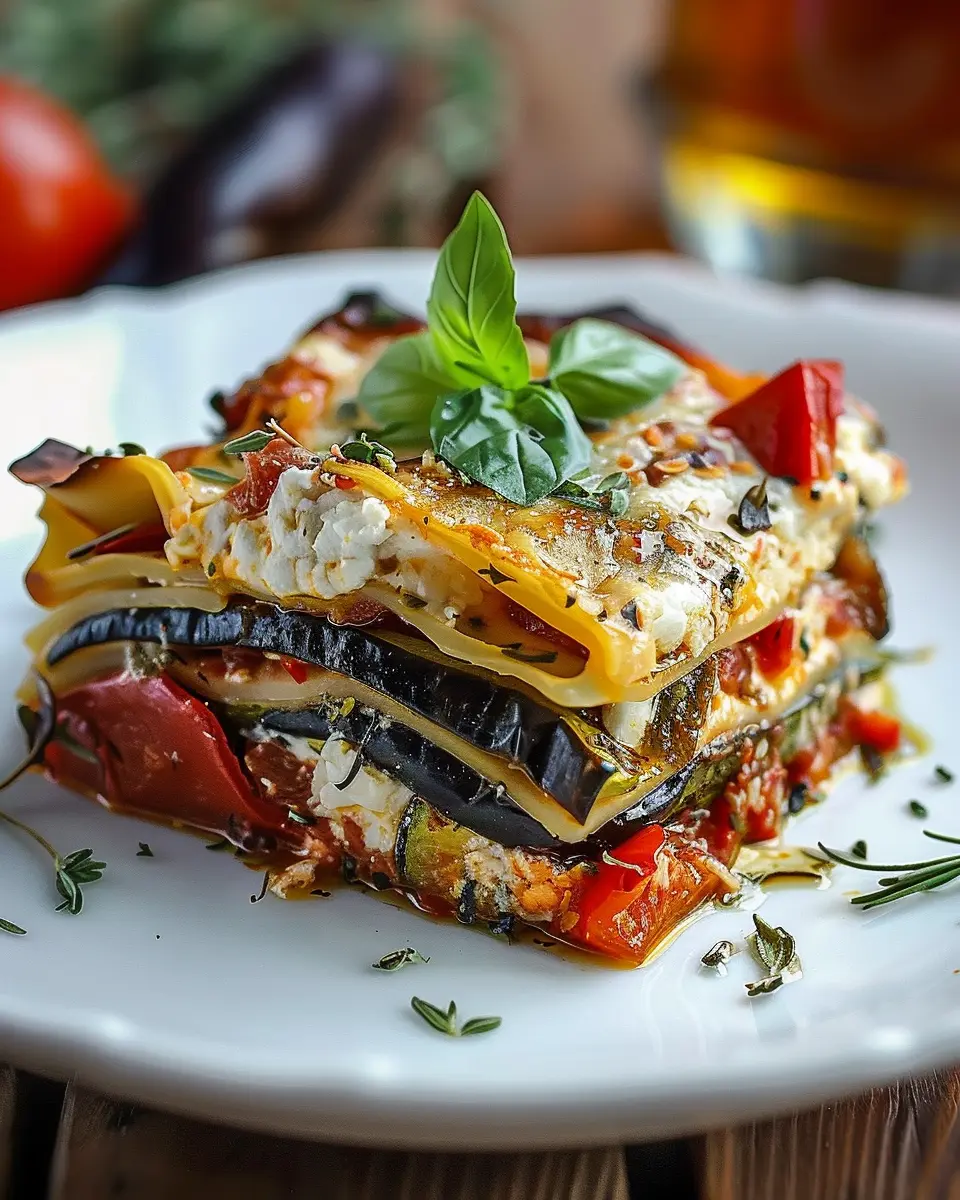
Presentation matters, especially when hosting friends or family. Consider garnishing your lasagna with fresh basil or parsley to add a pop of color. A sprinkle of crumbled feta cheese can also bring a tangy finish that complements the richness of the dish. For an extra touch, drizzle some balsamic reduction over the top just before serving for both flavor and style.
Ideal occasions for serving this dish
This layered Mediterranean vegetable lasagna is perfect for various occasions. Think cozy family dinners, weekend get-togethers, or even potluck gatherings. It’s a versatile dish that aligns beautifully with seasonal celebrations. Whether you’re hosting a casual brunch or a warm family gathering, this lasagna is sure to impress and satisfy your guests.
For more ideas on vegetable dishes, you might check out resources like Epicurious or Cooking Light. Happy cooking!
Time breakdown for Layered Mediterranean Vegetable Lasagna
Preparation time estimation
Making your layered Mediterranean vegetable lasagna starts with a bit of prep work, which typically takes around 30 minutes. This includes washing and chopping your veggies, slicing your cheese, and assembling your ingredients. Remember that multitasking here, such as chopping while your oven preheats, can save you valuable time!
Cooking time breakdown
Once you’re prepped, the cooking time is about 50 minutes. This involves the layers baking together beautifully, allowing all those wonderful Mediterranean flavors to marry. You’ll want to track your lasagna’s progress during baking to ensure it’s bubbling nicely!
Total time from start to finish
So, when you add it up, your total time for crafting this delicious layered Mediterranean vegetable lasagna is roughly 1 hour and 20 minutes. This perfectly timed dish makes it so much easier to gather friends and family for dinner, leaving you more time to enjoy their company. If you need more healthy recipe ideas, check out this resource on Mediterranean diets. Happy cooking!
Nutritional facts for Layered Mediterranean Vegetable Lasagna
Breakdown of calories per serving
A serving of layered Mediterranean vegetable lasagna typically contains around 400 calories. This hearty dish showcases a mix of vibrant veggies, rich cheeses, and flavorful herbs, making it a satisfying meal without overwhelming your daily calorie intake.
Key nutrients to fuel your day
Beyond just calories, this delicious lasagna packs a punch with essential nutrients. It’s loaded with:
- Fiber: From vegetables like zucchini and spinach, which aids digestion.
- Protein: Provided by cheese and any meat you add, helping with muscle recovery.
- Vitamins A and C: From a medley of tomatoes and peppers, supporting your immune system.
For more detailed information on the benefits of these nutrients, check out resources like NutritionData or Healthline.
Tips for a balanced diet
To keep your meals balanced, consider these easy tips while enjoying your layered Mediterranean vegetable lasagna:
- Pair it with a fresh side salad to increase your vegetable intake.
- Keep an eye on portion sizes; sharing with a friend makes it even more enjoyable!
- Use whole grain lasagna noodles for added fiber and better nutrition.
Implementing these friendly suggestions will help you maintain a wholesome diet while savoring every bite of this delightful lasagna. Remember, it’s all about balance and enjoying what you eat!
FAQs about Layered Mediterranean Vegetable Lasagna
How can I make my lasagna vegetarian?
Want to transform your layered Mediterranean vegetable lasagna into a vegetarian delight? It’s simpler than you might think! Start by substituting any meat ingredients with hearty vegetables like bell peppers, zucchini, and mushrooms. You can also add protein with beans or lentils. For a creamy texture, consider using ricotta made from plant-based ingredients.
To elevate the flavor, mix in layers of your favorite herbs like basil or oregano. You could even sneak in a layer of spinach or kale for extra nutrition. The best part? This vegetarian version won’t skimp on taste!
What’s the best way to store leftovers?
If you find yourself with leftovers, storing them properly can keep your layered Mediterranean vegetable lasagna fresh for days. Allow the dish to cool to room temperature before covering it with cling film or transferring it to an airtight container. Store it in the fridge, and you can enjoy it for up to 4 days.
For easy reheating, individual portions can be microwaved or placed in an oven-safe dish for a remelt. Just add a splash of water to keep the layers moist!
Can I freeze the lasagna before or after baking?
Absolutely, freezing is a fantastic option! You can freeze your layered Mediterranean vegetable lasagna either before or after baking. If you freeze it before, assemble the layers but leave out any toppings that could get soggy in the freezer. Just wrap securely and pop it in. When you’re ready to enjoy, simply thaw in the fridge overnight and bake as usual.
Freezing after baking is also great—cut it into portions and wrap each slice individually before freezing. This way, you have easy, single servings ready to go! For more freezing tips, check out the USDA’s guidelines.
By following these simple tips, you’ll ensure every bite of your lasagna is delicious, no matter when you enjoy it!
Conclusion on Layered Mediterranean Vegetable Lasagna
Making your own layered Mediterranean vegetable lasagna is not just a cooking task; it’s an opportunity to create a delightful, nourishing meal that brings people together. As you experiment with flavors and ingredients, you’ll rediscover the joy of homemade dinners, which are often far more satisfying than anything store-bought.
I encourage you to get creative in the kitchen! Share your personal variations or experiences with lasagna in the comments below. Did you add a twist with an unexpected ingredient? Or perhaps you discovered a unique method of layering? Let’s build a community of culinary enthusiasts eager to share their love for this comforting dish.
PrintLayered Mediterranean Vegetable Lasagna: Easy & Flavorful Delight
A delightful dish featuring layers of fresh vegetables and creamy cheese.
- Prep Time: 20 minutes
- Cook Time: 45 minutes
- Total Time: 1 hour 5 minutes
- Yield: 6 servings 1x
- Category: Main Course
- Method: Baking
- Cuisine: Mediterranean
- Diet: Vegetarian
Ingredients
- 9 lasagna noodles lasagna noodles
- 2 cups ricotta cheese
- 2 cups shredded mozzarella cheese
- 1 cup grated Parmesan cheese
- 2 cups spinach
- 1 cup sliced mushrooms
- 1 cup zucchini, sliced
- 1 cup bell peppers, chopped
- 1 can (24 oz) marinara sauce
- 2 tablespoons olive oil
- 1 teaspoon oregano
- 1 teaspoon basil
- 1/2 teaspoon salt
- 1/4 teaspoon black pepper
Instructions
- Preheat the oven to 375°F (190°C).
- Cook the lasagna noodles according to package instructions; drain and set aside.
- In a skillet, heat olive oil over medium heat. Sauté mushrooms, zucchini, and bell peppers until tender.
- In a baking dish, spread a layer of marinara sauce, followed by a layer of noodles, then ricotta cheese, veggies, mozzarella, and a sprinkle of Parmesan.
- Repeat the layers until all ingredients are used, finishing with noodles and sauce on top.
- Cover with foil and bake for 30 minutes. Remove the foil and bake for an additional 15 minutes until golden.
- Let it cool for 10 minutes before serving.
Notes
- For added flavor, use fresh herbs.
- Let the lasagna sit before cutting for cleaner slices.
Nutrition
- Serving Size: 1 slice
- Calories: 350
- Sugar: 6g
- Sodium: 800mg
- Fat: 15g
- Saturated Fat: 8g
- Unsaturated Fat: 5g
- Trans Fat: 0g
- Carbohydrates: 40g
- Fiber: 3g
- Protein: 20g
- Cholesterol: 50mg
Keywords: Layered Mediterranean Vegetable Lasagna